BOOK
illustration + comics
Metamorphoses is an illustration and comics project featuring 16 artists, each invited to interpret one of Ovid’s myths from Metamorphoses in their own personal and creative way.
Artists involved: Akab, Alessandro Ripane, Andrea Chronopoulos, Anna Deflorian, Cristina Portolano, Dafne Martoz, Davide Saraceno, Flavia Sorrentino, Francesco Guarnaccia, Giulio Castagnaro, Gloria Pizzilli, Isabella Mazzanti, La Came, Lois, Lucio Villani, Marco Filicio Marinangeli, Marie Cécile, Marino Neri, Pistrice, Rita Petruccioli, Tommy gun Moretti.
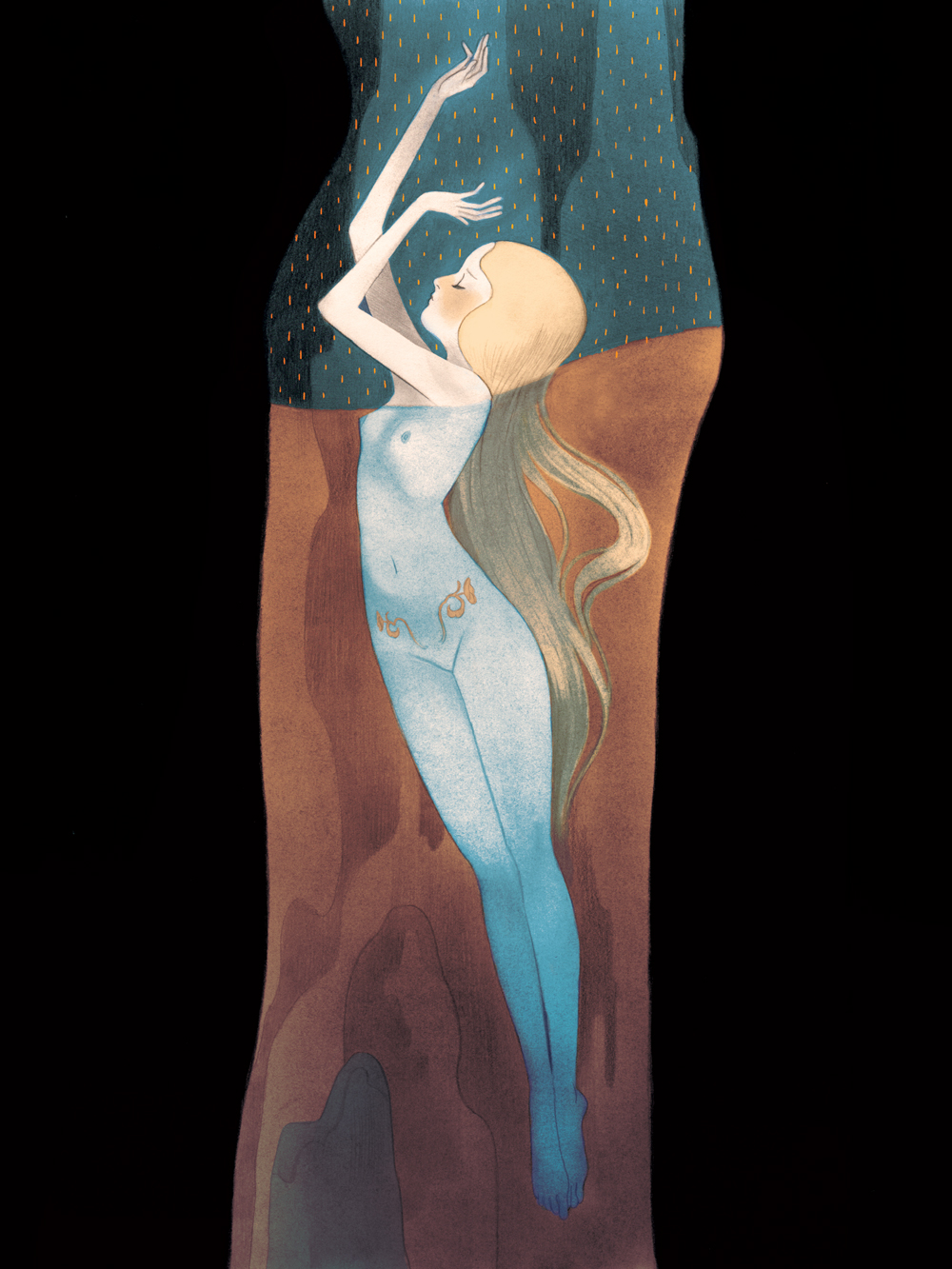
Below is a summary of all the myths by Ovid that have been reinterpreted by the artists who participated in the Metamorphoses project:
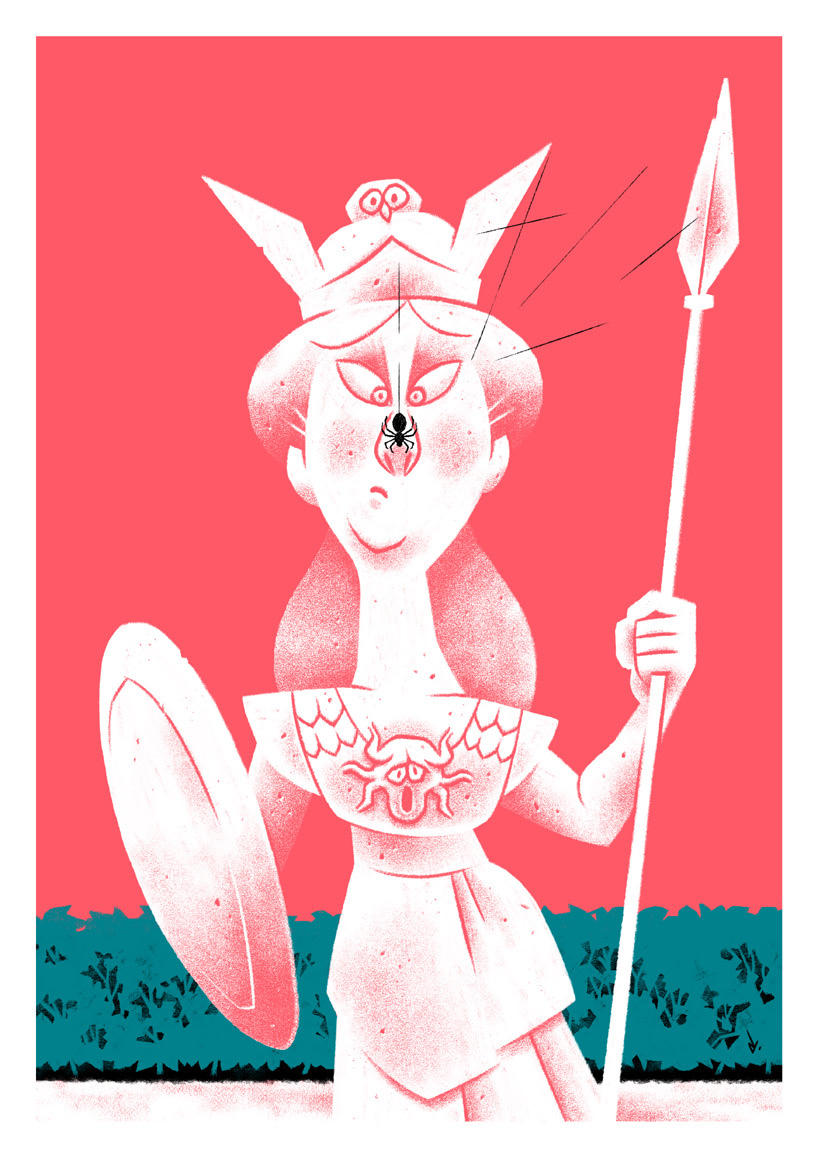
MINERVA AND ARACHNE
Davide Saraceno
Arachne, daughter of Idmon of Colophon, challenged Minerva in the art of weaving. Although she proved more skilled than the goddess, Minerva could not bear that a mortal could defeat her. Enraged, the goddess struck her on the head, prompting Arachne to flee in despair and attempt to hang herself. Seeing her near death, Minerva felt compassion and transformed her into a spider. Arachne’s offense was not only daring to challenge a deity but also depicting, on her tapestry, a series of injustices committed by the gods against mortals.[Book VI 1-145]
APOLLO AND MARSYAS
Tommy Gun Moretti
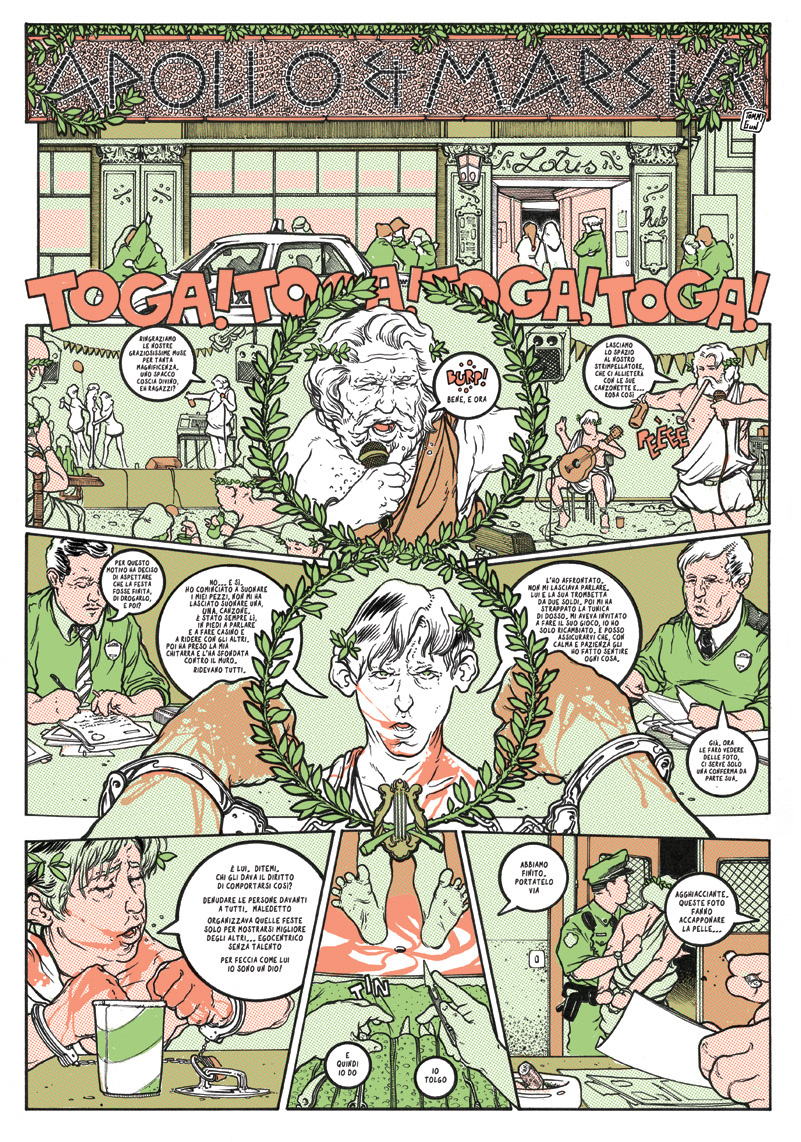
Marsyas was a satyr from Phrygia who found the flute invented and discarded by Minerva, who had thrown it away out of shame for the puffed cheeks it required to play. Marsyas challenged Apollo to a music contest. While the specifics of the contest are not described in detail, the story begins with Marsyas’s loss and subsequent flaying by the god. Ovid dwells on the description of the satyr’s bloodied and mutilated body.
[Book VI 382-400]
MEDEA
Rita Petruccioli
The seventh book was dedicated to the Argonauts, focusing on Jason and his quest for the Golden Fleece alongside other Greek heroes. The sorceress Medea was the first character in the work to introduce the concept of love at first sight and the complex psychological mechanisms of falling in love. In classical tradition, the primary source for the tale was Euripides’s tragedy. However, Ovid particularly emphasized the struggle between reason and emotion. After meeting Jason, Medea was torn by uncertainty, fear, emotion, and compassion. The Greek hero succeeded in his mission thanks to her help, promising to marry her in return. After their escape, however, Jason abandoned her to wed the Greek princess Glauce. Rejected and exiled from her homeland, Medea ended up killing both Glauce and her children with Jason.
[Book VII]
CADMUS AND HARMONIA
Lucio Villani
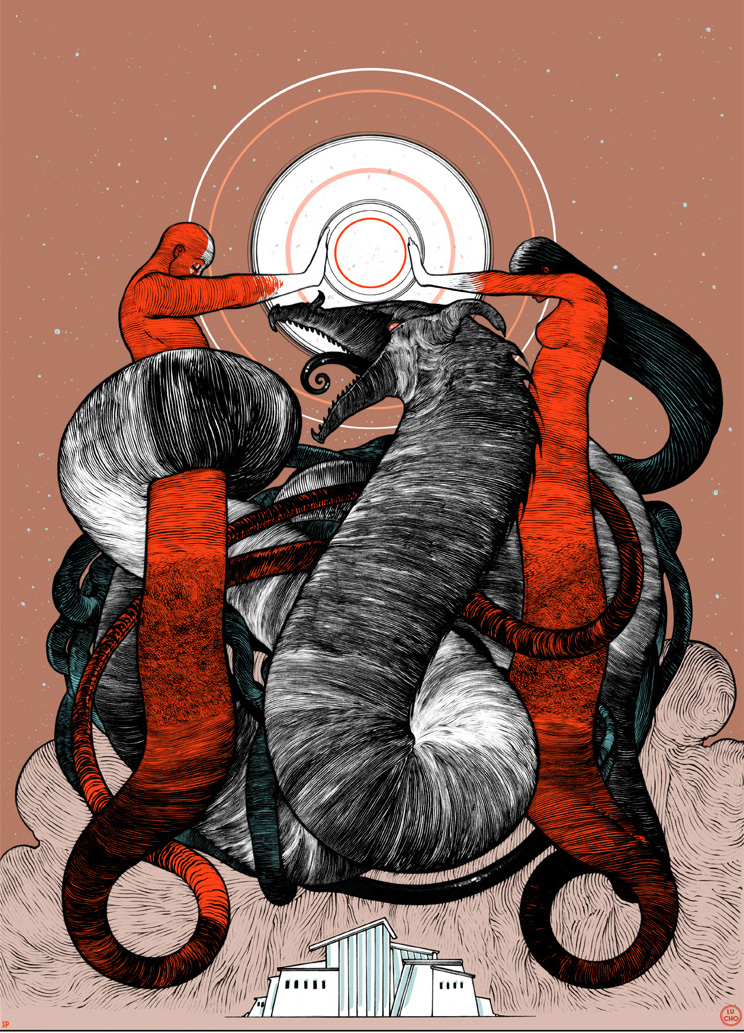
According to Ovid, the union of Cadmus and Harmonia was the first clearly defined example of marital love in mythology, serving as an archetype for subsequent unions. Their wedding was said to be the first attended by the entire Olympian pantheon. Despite their dynasty being cursed and their descendants fated to perish due to Cadmus’s slaying of a sacred serpent, the couple continued to love each other even in old age. When Cadmus was transformed into a serpent, Harmonia begged the gods to share the same fate, and her wish was granted.
[Book IV 563-603]
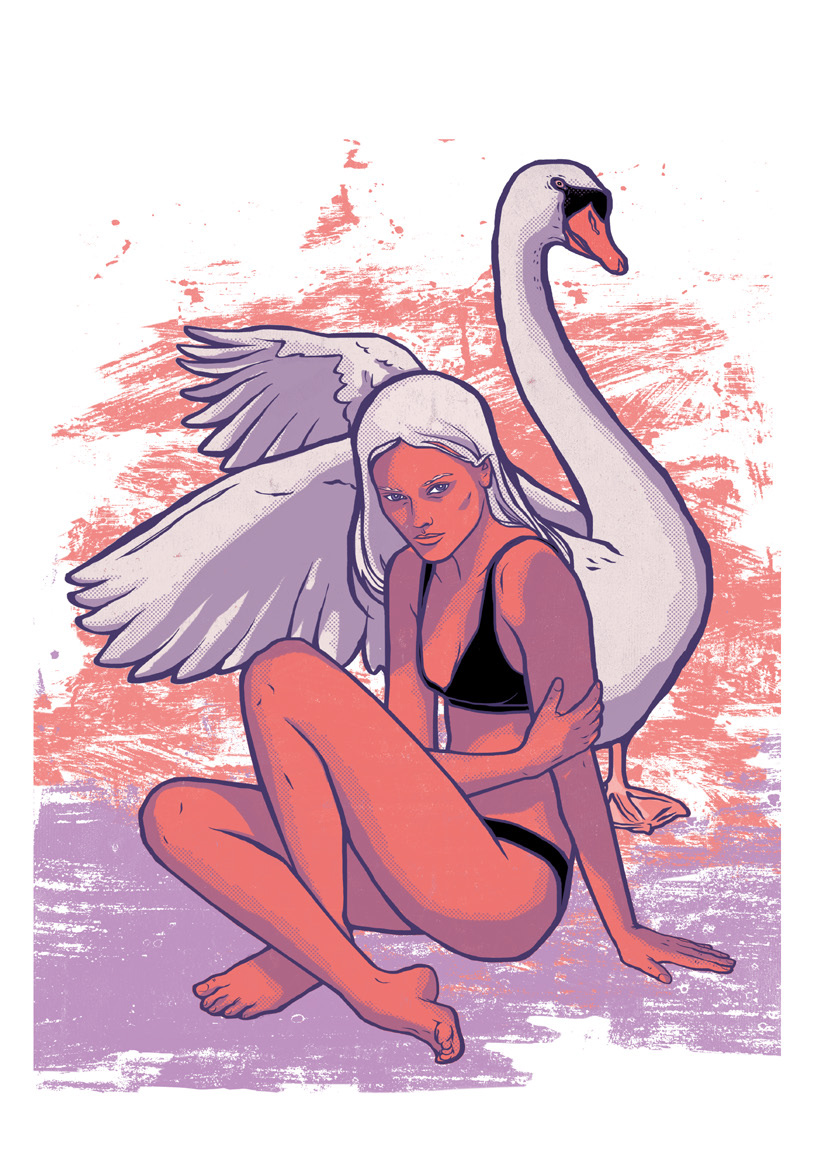
CYGNUS AND LEDA
Pistrice
Ovid recounts that Jupiter, enamored with the beautiful Leda, wife of Tyndareus, King of Sparta, transformed into a swan to seduce her on the banks of the Eurotas River. Leda embraced the swan to protect it from an eagle’s attack. After her union with Jupiter and her husband on the same night, she bore two eggs. From the first hatched the Dioscuri, Castor and Pollux, while from the second came Clytemnestra and the famous Helen of Troy.
[Book VI]
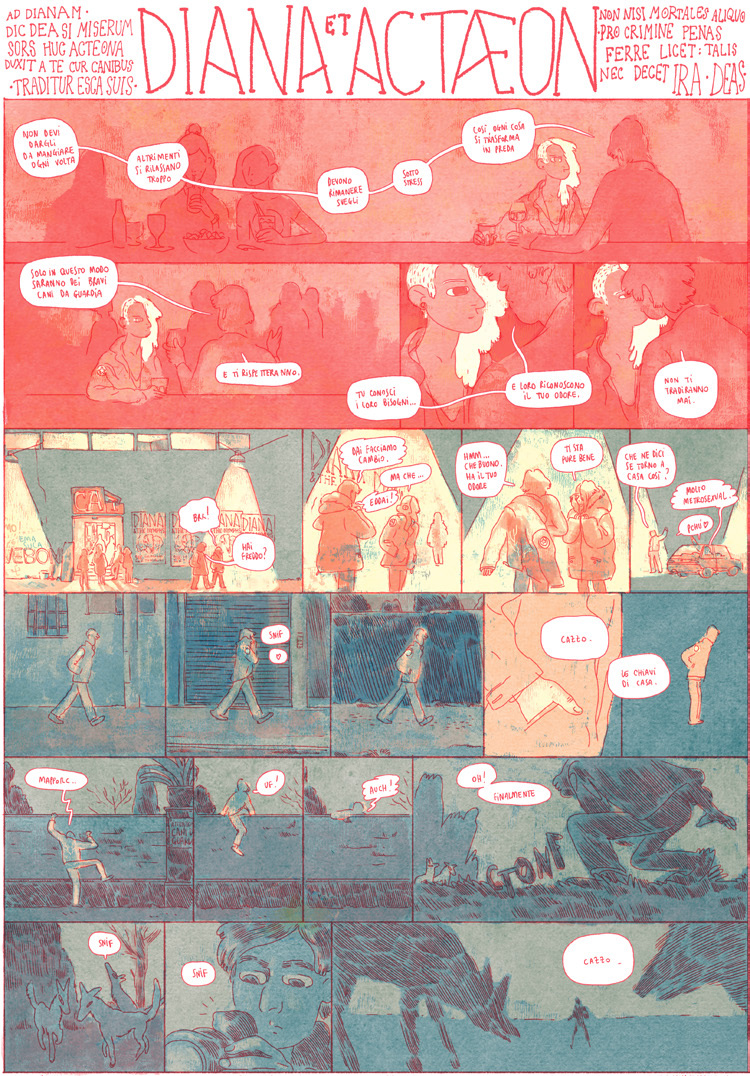
DIANA AND ACTAEON
La Came
According to Ovid, during a hunt, Actaeon incurred Diana’s wrath when he accidentally witnessed her bathing with her companions in the shade of the Gargaphia forest. To prevent him from revealing what he had seen, the goddess transformed him into a stag by sprinkling water on his face. Actaeon realized his transformation only when he reached a spring and saw his reflection. Meanwhile, his pack of fifty hunting dogs, failing to recognize their master, tore him apart. After devouring the animal, the dogs wandered the forest lamenting in search of Actaeon until they reached the cave of Chiron, who gave them an image of their master to ease their grief.
[Book III 138-259]
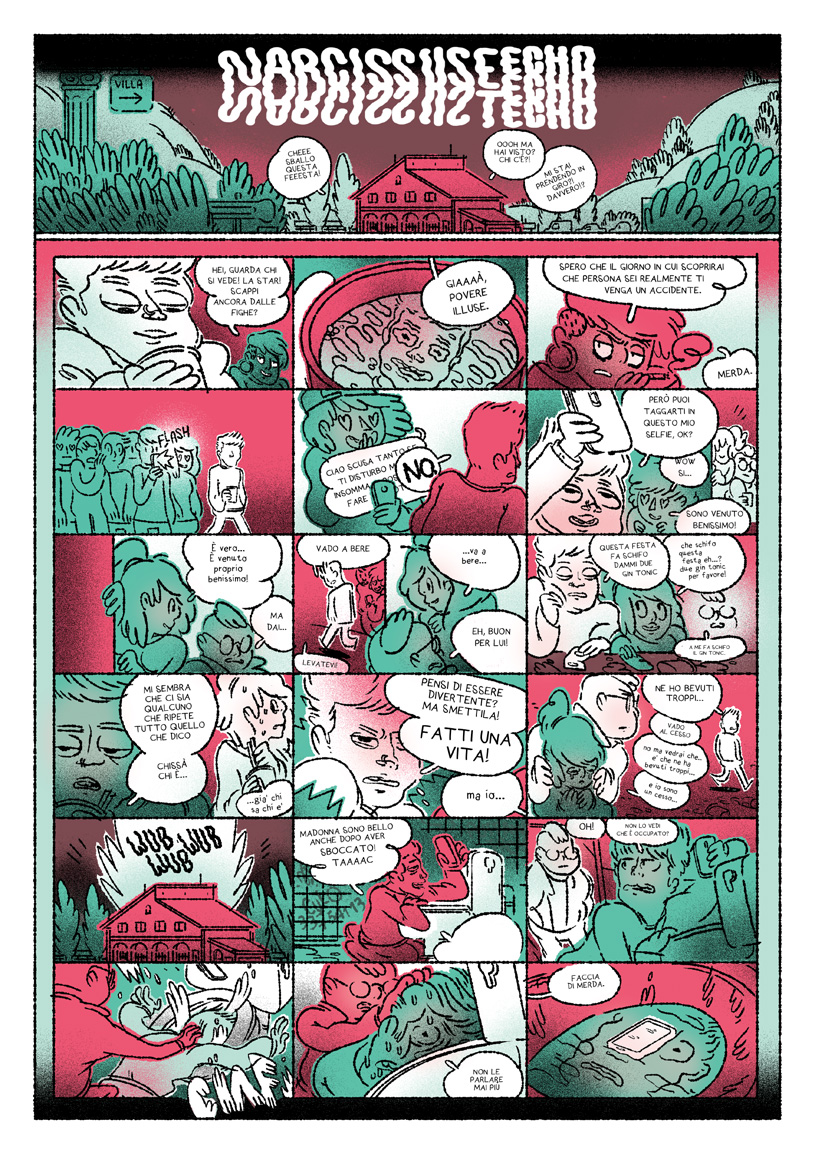
NARCISSUS AND ECHO
Francesco Guarnaccia
Cephisus, a river god, fell in love with the nymph Liriope, who gave birth to a child of exceptional beauty: Narcissus. Concerned for her son’s future, Liriope consulted the prophet Tiresias, who foretold that Narcissus would live to old age “if he never knew himself.” Narcissus grew into a young man so beautiful that all who saw him, men or women, young or old, fell in love with him, yet he rejected them all. One day, the nymph Echo secretly followed the handsome youth through the woods, longing to speak to him. However, Echo was cursed by Juno to only repeat the last words spoken to her as punishment for distracting the goddess while Jupiter’s lovers hid. Narcissus rejected Echo as well, leaving her heartbroken. She spent the rest of her life lamenting until only her voice remained. Hearing her cries, the goddess Nemesis decided to punish Narcissus. One day, as the boy bent to drink from a pond, he fell in love with his reflection. Realizing he could never possess the object of his desire, he wasted away and died, fulfilling Tiresias’s prophecy.
[Book III 339-510]
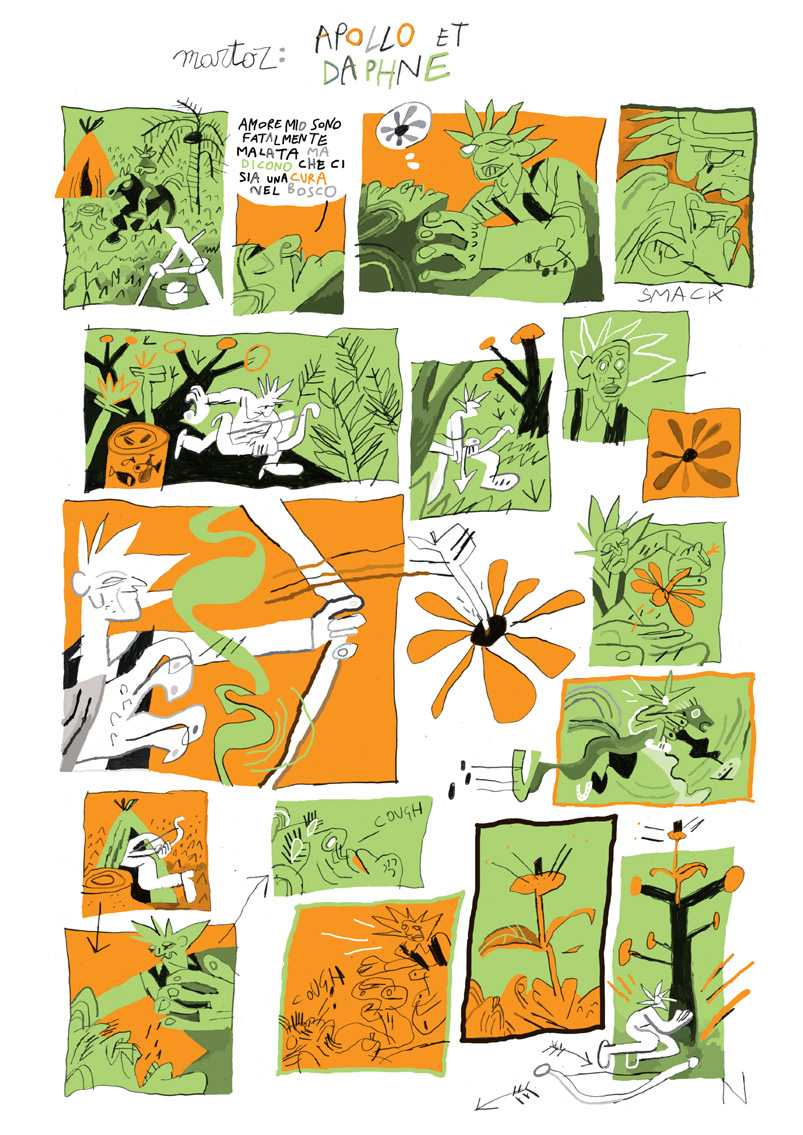
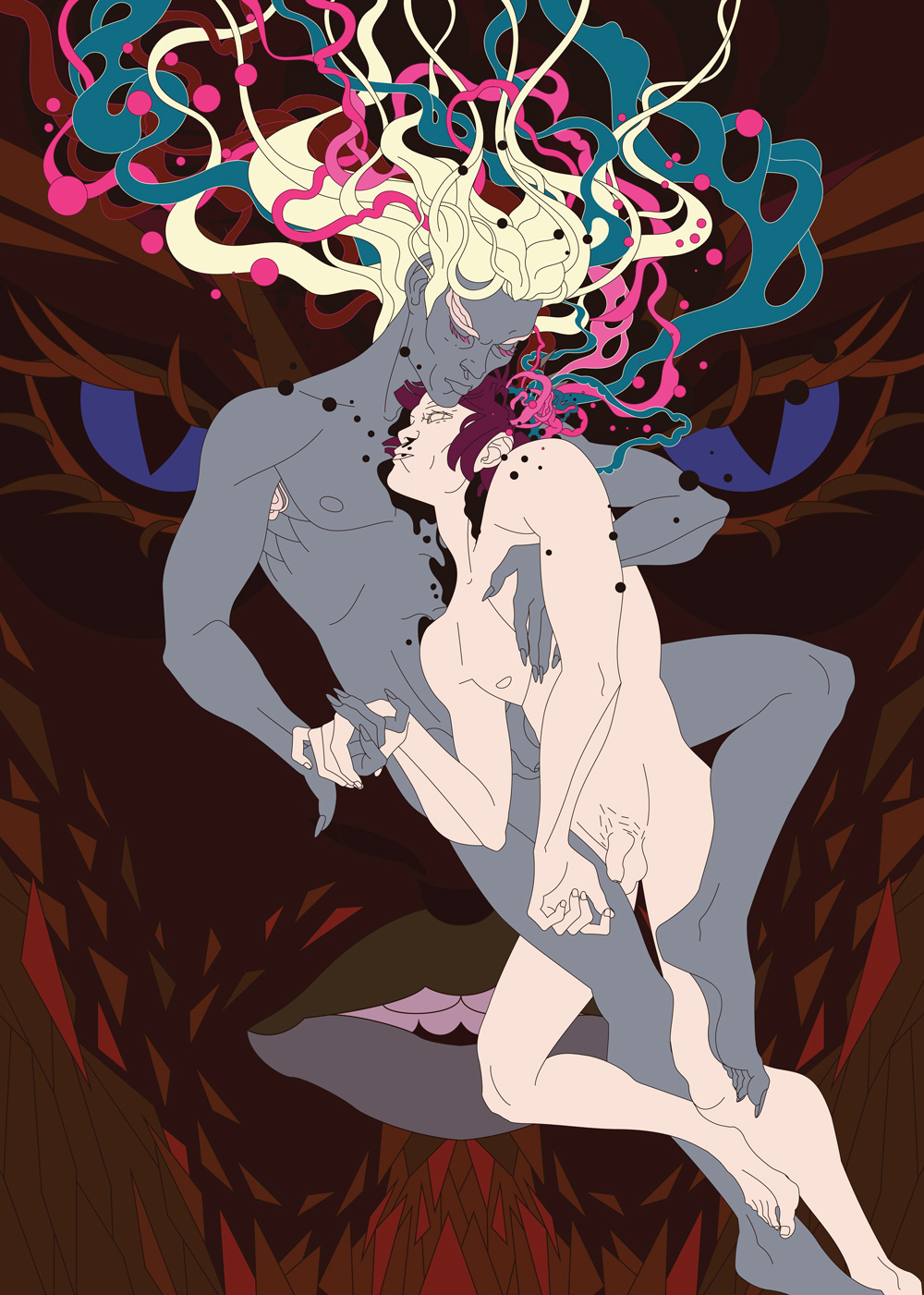
APOLLO AND DAPHNE
Martoz
After slaying the Python serpent, Apollo felt particularly proud of himself and boasted about his feat to Cupid, the god of Love. Apollo mockingly claimed that bow and arrows seemed unsuitable weapons for Cupid. Indignant, Cupid decided to take revenge to demonstrate his power: he struck Apollo with the golden arrow, which causes love, and the nymph—whom he knew Apollo would fall for—with the lead arrow, which repels love. As soon as Apollo saw the nymph Daphne, daughter of the river god Peneus, he fell in love. The god began to pursue her, listing his powers to persuade her to stop, but the nymph kept fleeing. Exhausted, Daphne reached her father’s riverbanks and pleaded with him to dissolve her form. Before Apollo could catch her, she was transformed into a laurel tree. Defeated, Apollo vowed to make the laurel an evergreen tree and declared it sacred to him.
[Book I, 452–567]
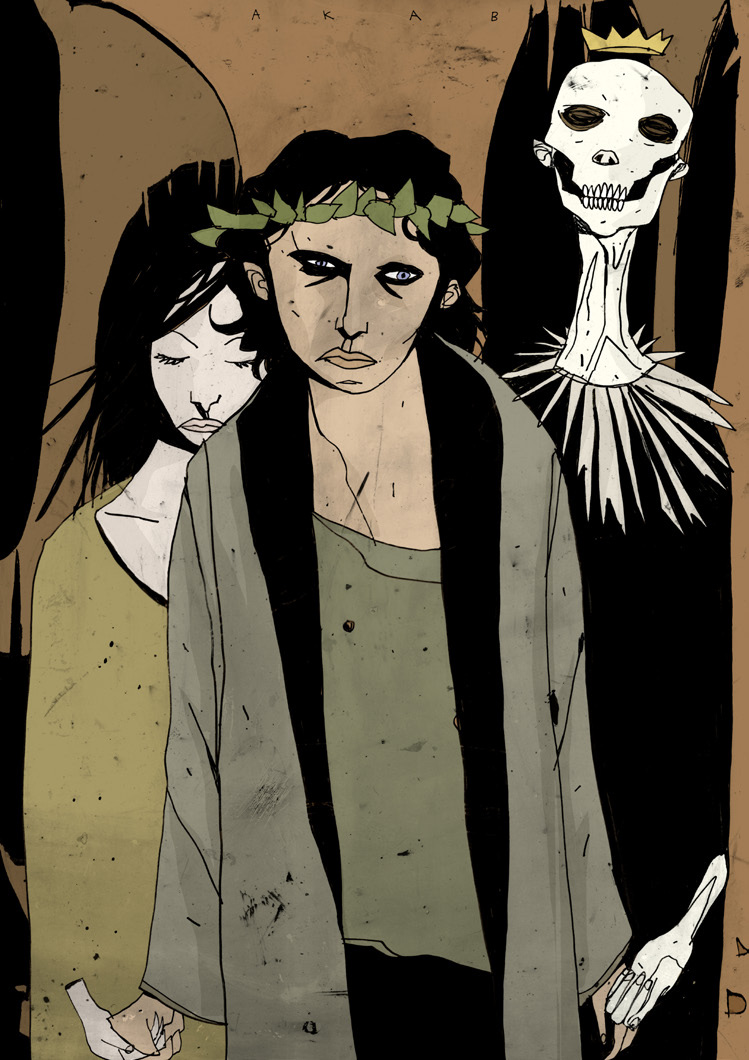
ORPHEUS AND EURYDICE
AkaB
Aristaeus, one of Apollo’s many sons, was madly in love with Eurydice. Though she did not return his affection, he continued to pursue her until one day, while trying to escape him, she stepped on a serpent that bit and killed her. Her partner, Orpheus, devastated, descended into the Underworld to retrieve her. With his lyre, he enchanted the ferryman Charon and soothed the three-headed dog Cerberus. Upon reaching the throne room of the Underworld, he found Hades asleep and Persephone gazing at him intently. To soften them, Orpheus played his lyre and sang, stirring Persephone’s memories of her life before Hades abducted her. Moved, Persephone took advantage of her husband’s slumber to allow Eurydice to return to the living world. However, one condition was imposed: Orpheus must walk ahead of Eurydice the entire way out and never look back. Just at the threshold, believing he had left the Underworld, Orpheus succumbed to doubt and broke his promise. He looked back, and Eurydice instantly vanished into the darkness for eternity.
[Book X, 1–75]
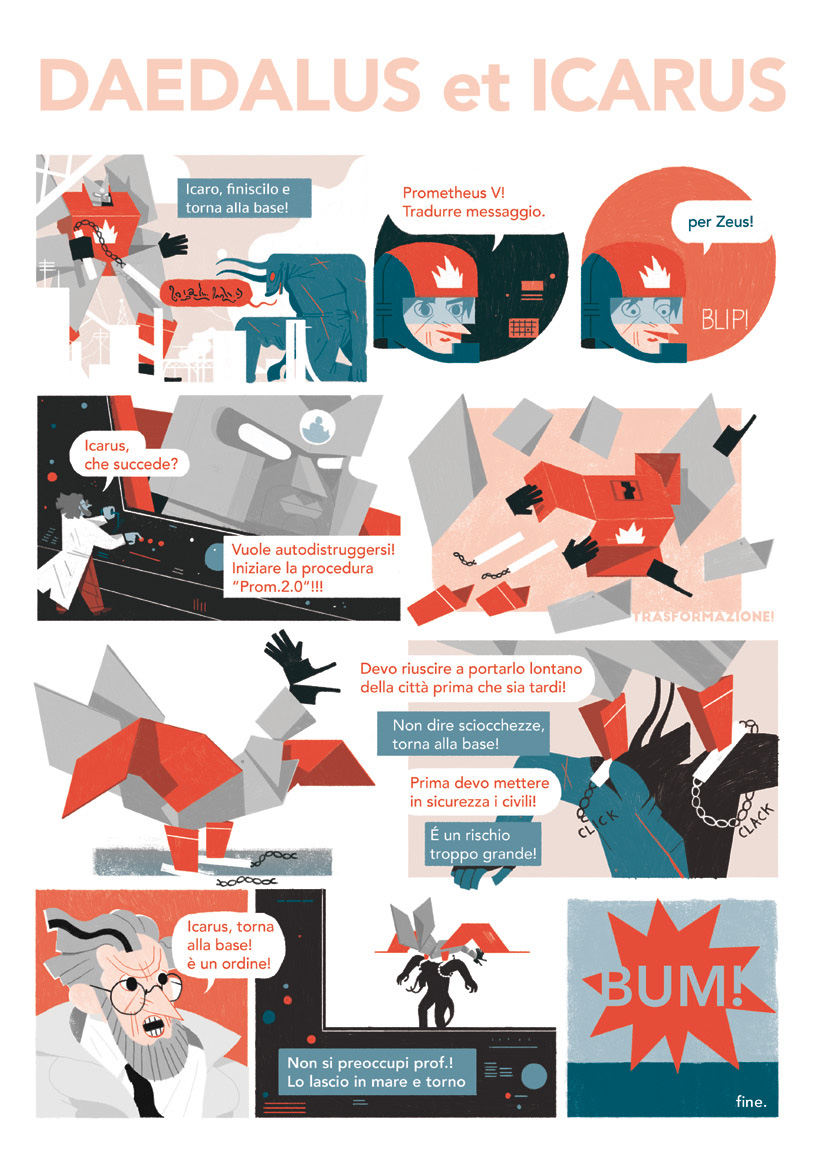
DAEDALUS AND ICARUS
Giulio Castagnaro
In the Metamorphoses, it is said that Daedalus and Icarus were imprisoned by King Minos for helping Theseus escape from the labyrinth Daedalus had designed. “He may block the land and sea,” Daedalus remarked, “but the sky remains open; we will escape through there. Even if Minos owns everything, he does not control the heavens.” For their escape, Daedalus crafted wings from feathers and wax. However, during the flight, Icarus ignored his father’s warnings and flew too close to the sun, melting his wings. The young man plummeted into the sea and drowned. Devastated, Daedalus waited by the shore for his son’s body and buried him.
[Book VIII]
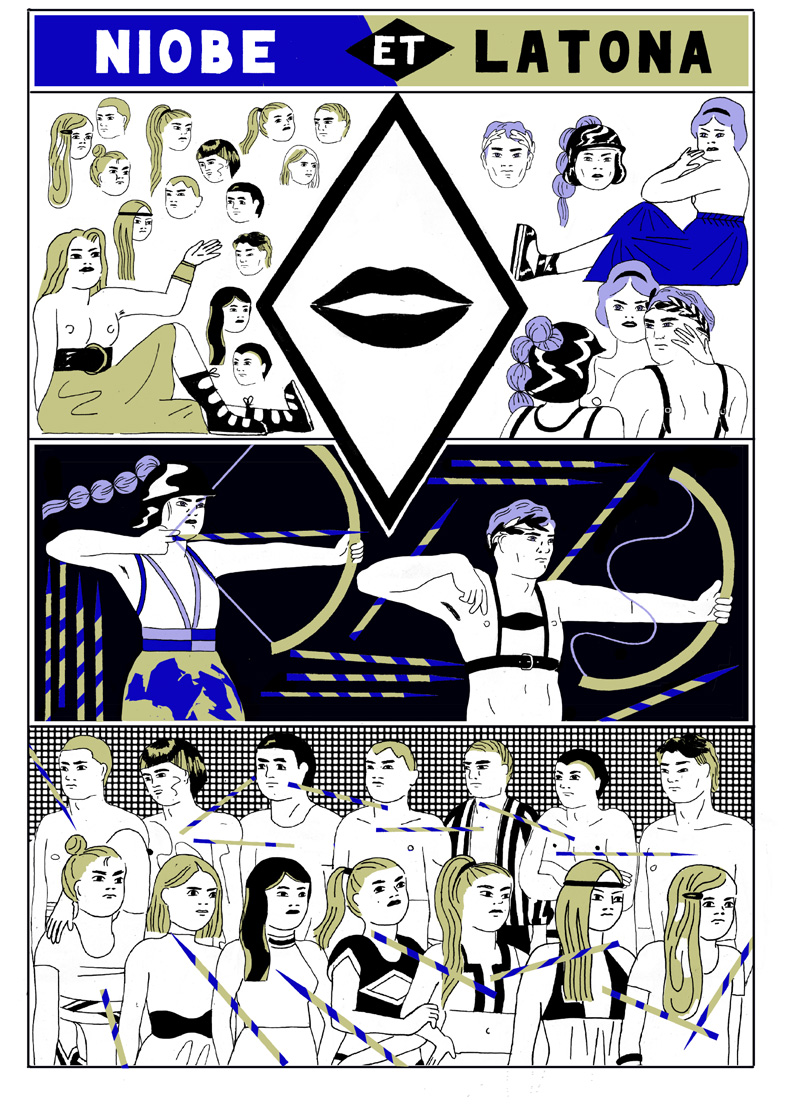
LATONA AND NIOBE
Anna Deflorian
In Ovid’s text, Niobe epitomizes the grieving mother. The wife of Amphion, she lost her 14 children (7 daughters and 7 sons) and her husband due to her hubris. Niobe forbade the Thebans from offering gifts to the goddess Latona because she was only the mother of two children and a descendant of “just some Titan”: “What folly is this,” she exclaimed, “to prefer gods known only by hearsay to gods you can see? Why worship Latona at altars while my divinity has yet to be graced with incense?” In response, Latona commanded her children, Apollo and Diana, to execute Niobe’s progeny. This is one of many cases in the epic where the guilty go unpunished while the innocent suffer. The death of Niobe’s children is described in graphic and merciless detail. Paralyzed by grief, Niobe was transformed into stone, becoming a fountain.
[Book VI, 146–312]
PYGMALION
Andrea Chronopoulos
Ovid describes Pygmalion as a shy sculptor, alienated from society and disdainful of women due to their perceived vulgarity. Only the statue he sculpted deserved all his attention and gifts. Falling in love with it, Pygmalion prayed to the gods to make her real. The gods granted his wish, and the statue became a living woman. Pygmalion married her, and they had a daughter, Paphos.
[Book X, 243–297]
VENUS AND ADONIS
Lois
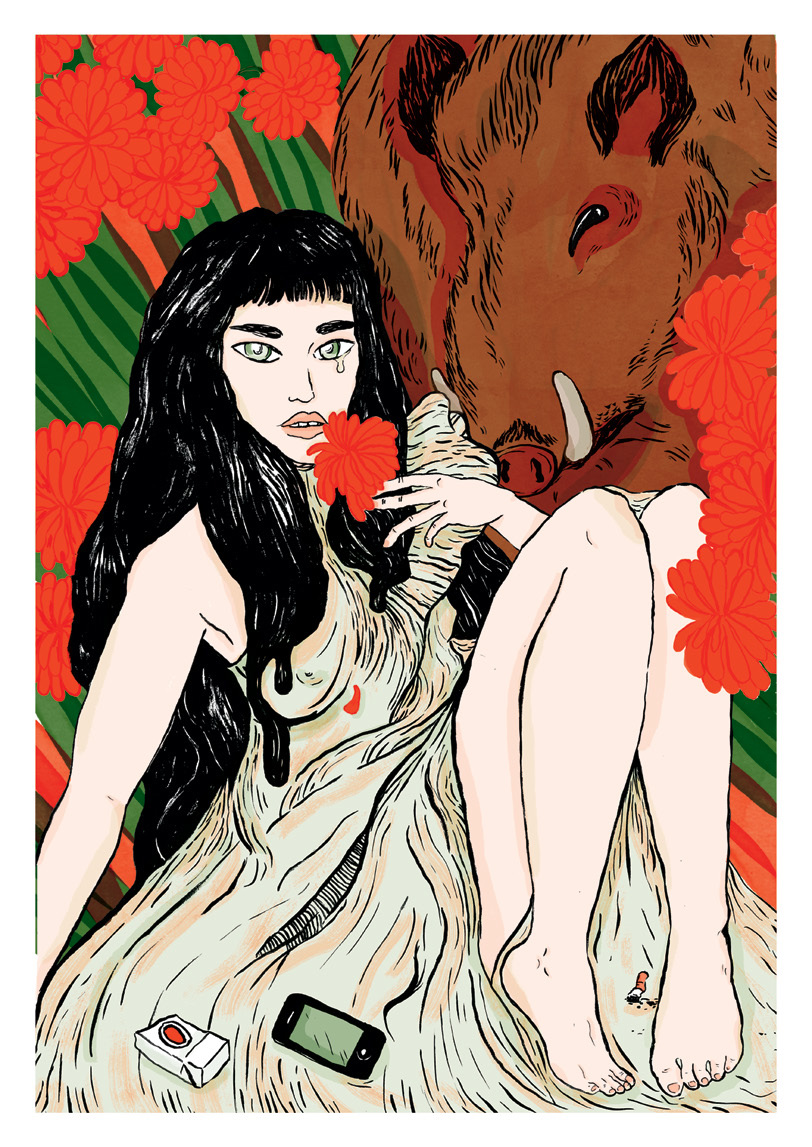
The love story of Venus and Adonis was largely based on a maternal and protective relationship the goddess had toward the mortal. Venus enjoyed hunting with him but cautioned him to pursue only harmless animals and avoid lions and boars, which she particularly despised. When Adonis asked why, Venus recounted the story of Atalanta and Hippomenes. Despite her warnings, during a hunt, Adonis was attacked by a boar. Venus arrived too late; he had already died. In her despair, she transformed his blood into a flower, the anemone.
[Book X, 503–559]
PAN AND SYRINX
Cristina Portolano
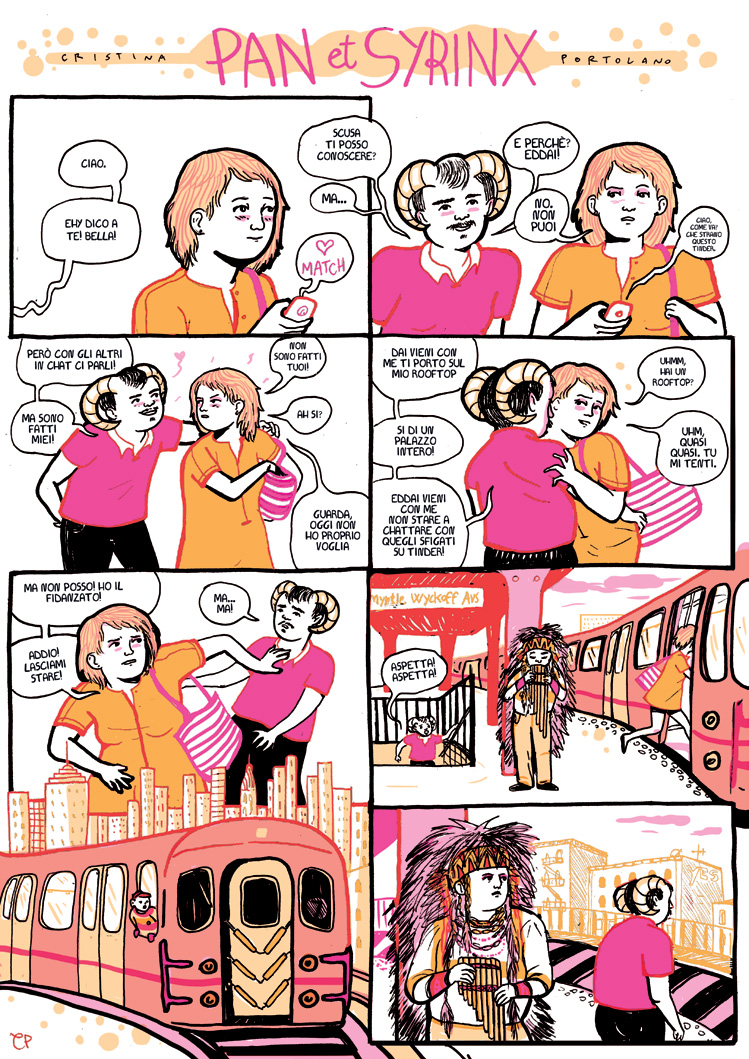
The god Pan fell in love with the nymph Syrinx, a follower of the goddess Diana. Syrinx rejected his love and fled to the banks of the Ladon River, where she called upon the Naiads for help. They transformed her into a bundle of marsh reeds, which produced a delicate sound when blown by the wind. Pan fashioned a musical instrument from these reeds and named it the syrinx in her memory.
[Book I, 689–712]
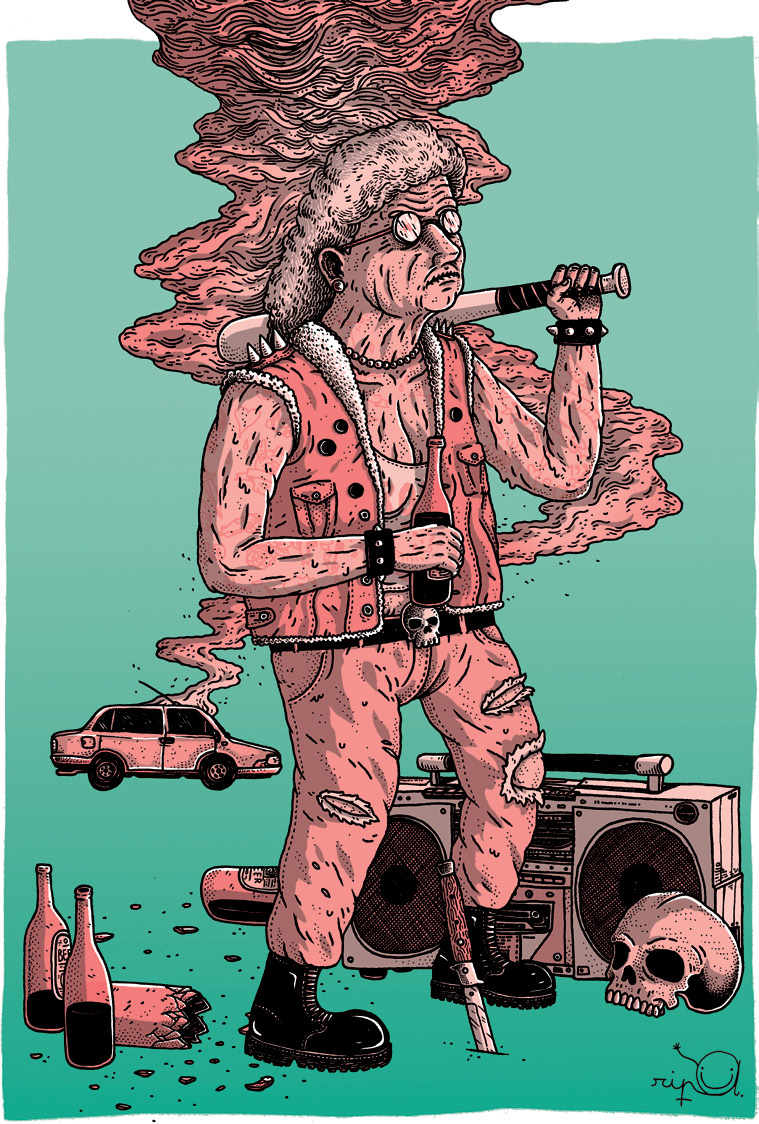
SIBYL OF CUMAE
Alessandro Ripane
The Cumaean Sibyl was the high priestess of the oracle of Apollo and Hecate in the city of Cumae in Magna Graecia. She performed her prophecies near Lake Avernus. In her cave, she wrote her predictions on palm leaves, which were scattered by the winds from the cave’s hundred openings, making her prophecies “sibylline.” According to legend, Apollo, in love with her, offered her anything in exchange for becoming his priestess. She asked for immortality but forgot to request eternal youth. Consequently, the Sibyl aged endlessly over time.
[Book XIV, 101–154]
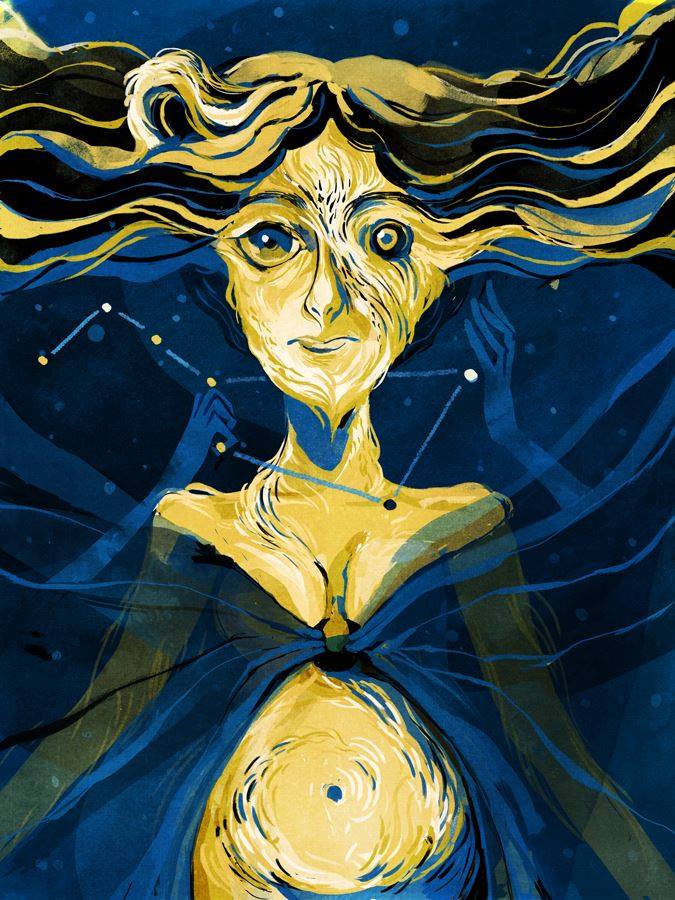
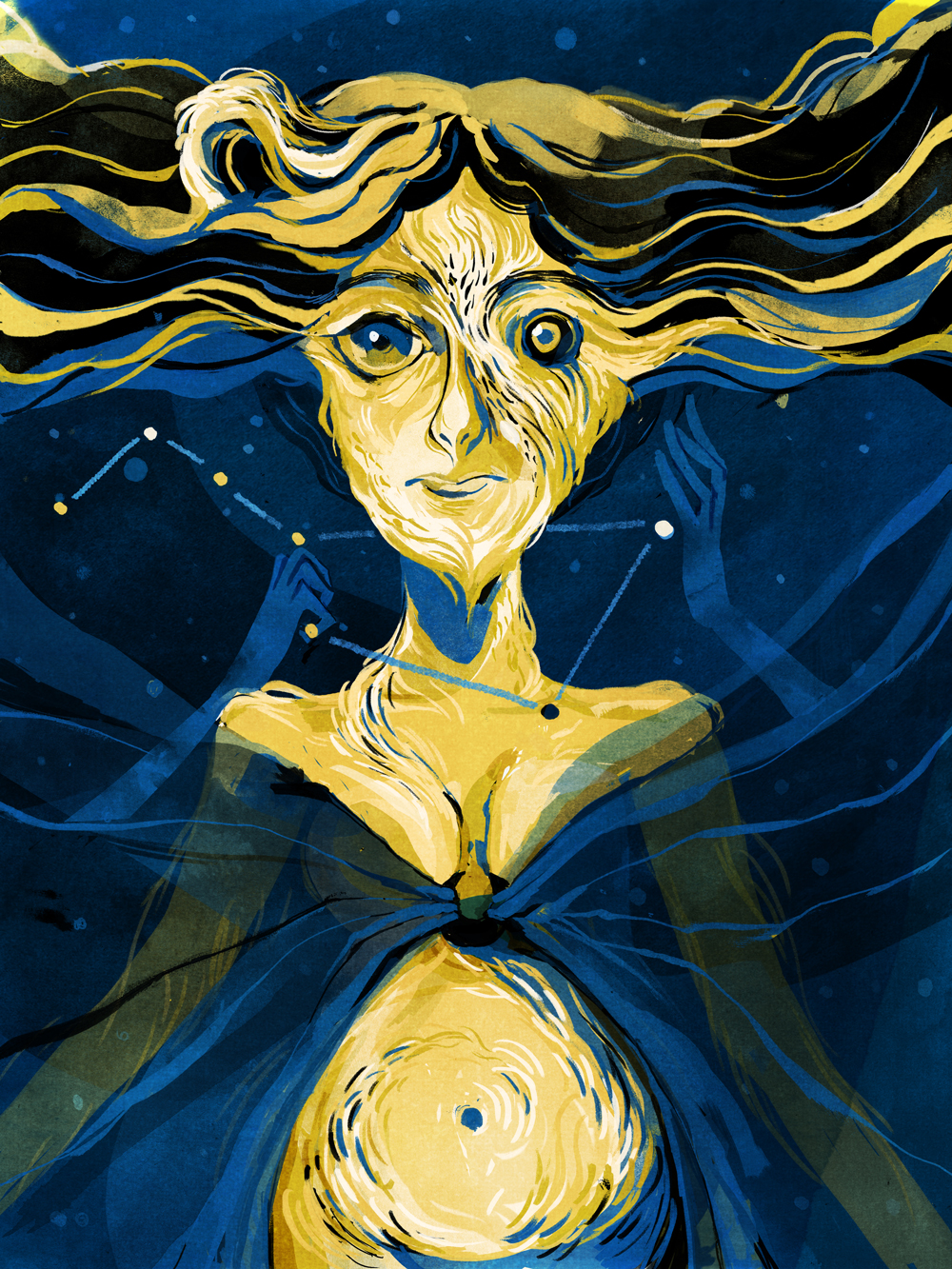
CALLISTO
Flavia Sorrentino
Callisto was one of Diana’s nymphs. Resting in a forest, she caught the attention of Jupiter, who seduced her by taking Diana’s form. Months later, Diana, weary from hunting, decided to bathe with her companions at a spring. Callisto hesitated to undress, but her companions removed her robe, revealing her pregnancy. Enraged, Diana banished her. After her son was born, Juno sought revenge by transforming Callisto into a bear. Years later, her son, now fifteen, unknowingly encountered her during a hunt. Just as he was about to kill her, Jupiter intervened, transforming both into constellations: the Great Bear and the Little Bear.
[Book II, 401–530]
APOLLO AND HYACINTHUS
Gloria Pizzilli
Apollo’s love for his companion Hyacinthus was so great that he abandoned all his duties to remain by the boy’s side. One day, they began a discus-throwing contest. Apollo threw first, but the discus, blown off course by the jealous Zephyr’s wind, struck Hyacinthus in the temple, fatally wounding him. Apollo tried to save the youth but could not alter his fate. Mourning, he transformed Hyacinthus into a flower, his divine tears staining its petals with eternal marks of grief.
[Book X, 162–219]
DANAE
Isabella Mazzanti
Danae, daughter of King Acrisius and Aganippe, was foretold to bear a son who would kill her father. Fearing this prophecy, Acrisius imprisoned her in a stone chamber. However, Jupiter, transformed into a shower of gold, impregnated her, and Perseus was born. Acrisius cast Danae and Perseus into the sea in a wooden chest, but Jupiter guided them to the island of Seriphos. There, a fisherman rescued them and brought them to King Polydectes, who married Danae and raised Perseus in the temple of Minerva. Later, the prophecy was fulfilled when Perseus accidentally killed Acrisius during a sports competition.
[Book IV, 610–611]
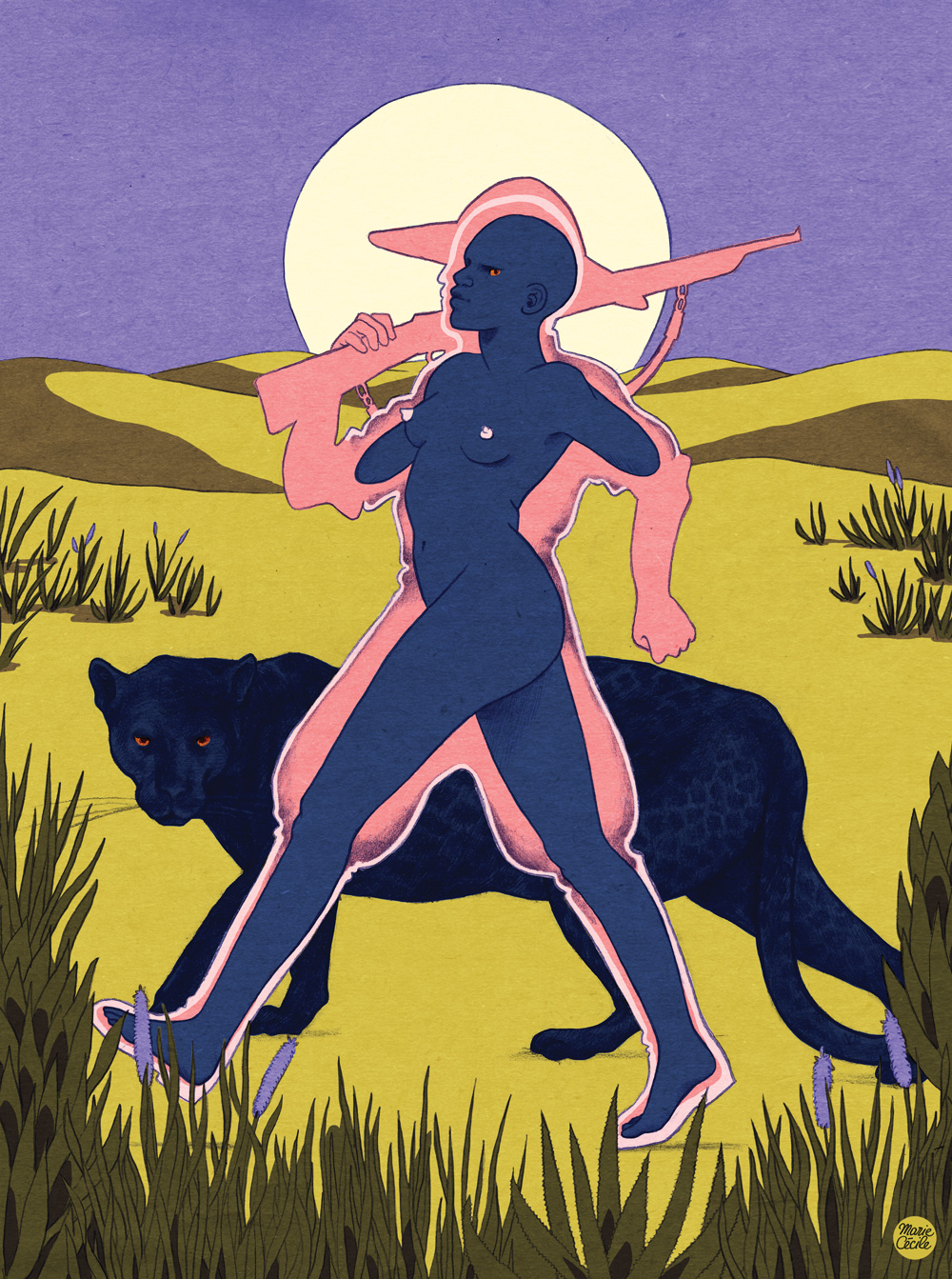
CENIS
Marie-Cécile
Cenis, originally a young woman, transformed into a man. Loved by Poseidon, she was granted a wish by the god. She asked to be turned into a man and made invulnerable. Poseidon fulfilled her request, and Cenis became a mighty warrior, leading the Lapith armies to victory. According to Ovid, at Cenis’ death, the seer Mopsus saw her soul rise as a bird with golden wings. Upon entering the Underworld, her soul reverted to its original female form.
[Book XII, 189–209]
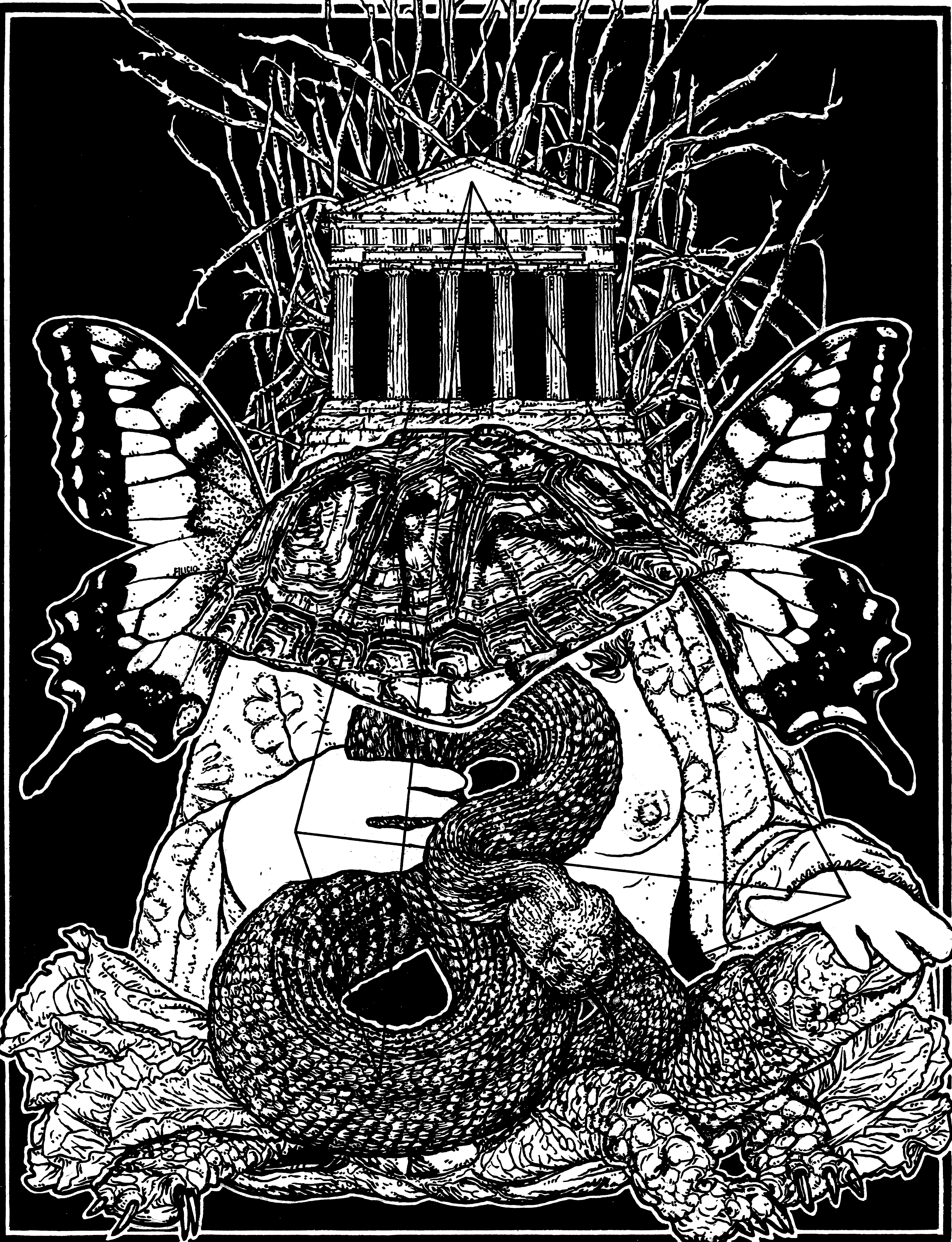
DRYOPE
Marco Filicio
Dryope, a princess of Ecalia, was seduced by Apollo. The god transformed into a turtle to approach Dryope and her companions, the Hamadryads. When Dryope picked up the turtle, it turned into a snake, scattering the other nymphs and allowing Apollo to seduce her. Later, Dryope married Andraemon and gave birth to Amphissus, founder of the city of Oeta and a temple to Apollo. One day, Dryope picked a lotus flower that had once been the nymph Lotis, transformed to escape Priapus. For this sacrilege, Dryope began to turn into a lotus plant, losing her human form.
[Book IX, 324–393]


 squame publishing